
Maryland Intergroup Dialogue Collaborative courses bring together students from diverse backgrounds for sustained, facilitated dialogues about identity, societal inequalities, and how to take actions that promote equity, collaboration, and inclusive environments.


Currently, four types of intergroup dialogue courses are offered; they include:

  • Identity-based dialogue courses, which start the classroom conversation with one specific aspect of identity, such as disability and ableism. Because the curriculum is intersectional, students explore other aspects of identity in relation to the central focus of the dialogue.
  • Discipline-based dialogue courses, which explore equity and inclusion within specific careers, such as computer science or business. In these conversations, students examine identity-based oppression in the discipline’s culture, reflect on the benefits and harms that can affect the broader society, and consider how they can practice their careers in ethical, equity-minded ways.
  • Issues-based dialogue courses, in which students concentrate on current “hot topics” issues within society at large. Examples of such topics in currently offered courses include: reproductive rights, free speech on campus, affirmative action, immigration reform, and climate change/environmental justice.
  • Preparation-focused courses, which have as a prerequisite completion of an identity, disciplinary, or issues-based intergroup dialogue course). These courses offer extensive guidance, reflection, practice, and feedback in the skills needed to facilitate dialogue. Numerous micro- and extended practice opportunities are incorporated; these culminate in a practicum experience.

Current Course Offerings

(Updated May 2023)

  • WEID139B: Race, Gender, or Socioeconomic Status
  • WEID139I: Religion and Spirituality, Size and Appearance
  • WEID139L: Race, Gender, or Citizenship
  • WEID139T: Race, Gender or Citizenship
  • WEID139N: Race, Gender, or Sexual Identity
  • WEID139X: Race, Socioeconomic Status, or (Dis)Ability
  • ENES138U: U.S. Identity in a Global Context (international study abroad dialogue)

  • WEID138N: Equity & Inclusion in Business Administration
  • WEID138O: Equity & Inclusion in Life Sciences
  • ENES138K: Equity & Inclusion in Engineering Design

CHSE328: Common Ground Deliberative Dialogues; Hot Button Topics in Society

WEID300: Intergroup Dialogue Facilitator Development & Practicum
CHSE671

Benefits of Taking an Intergroup Dialogue Course

Intergroup dialogue courses count toward the General Education Cultural Competence (DVCC) requirement
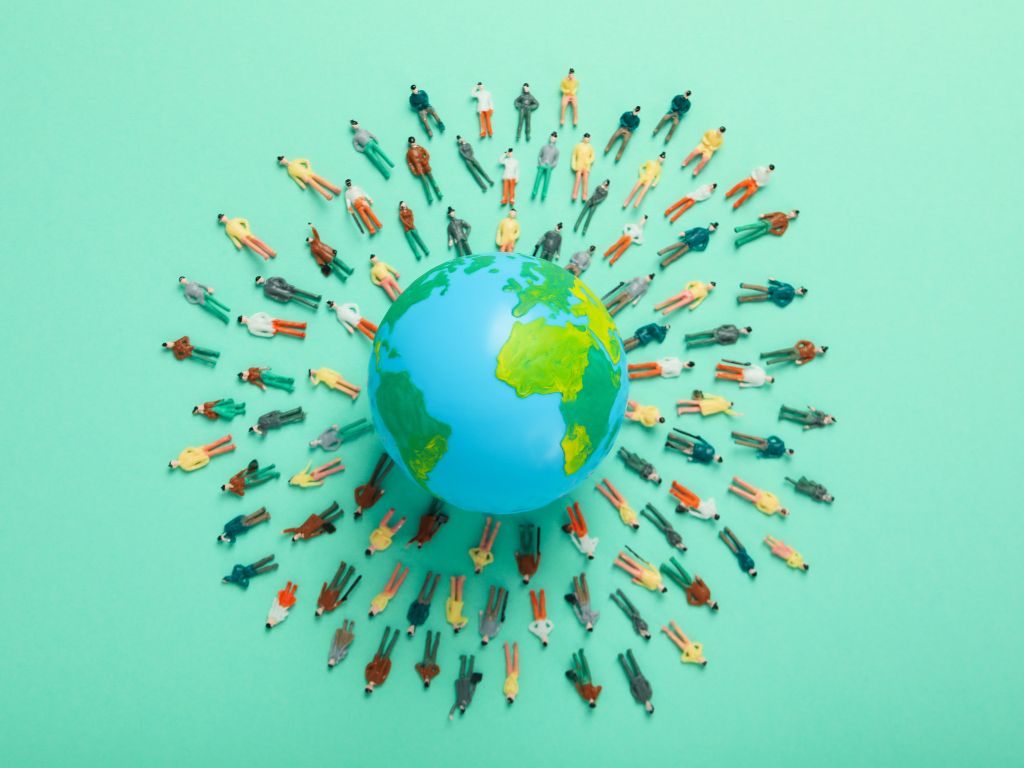
Gain a deeper understanding of the lived experiences of others and of the ways that power, privilege, and social systems shape the world around us

Learn new ways of approaching situations to promote inclusive, more equitable environments

Develop skills for navigating difficult conversations about contentious issues
Cultivate inclusive leadership and critical thinking skills sought after by employers